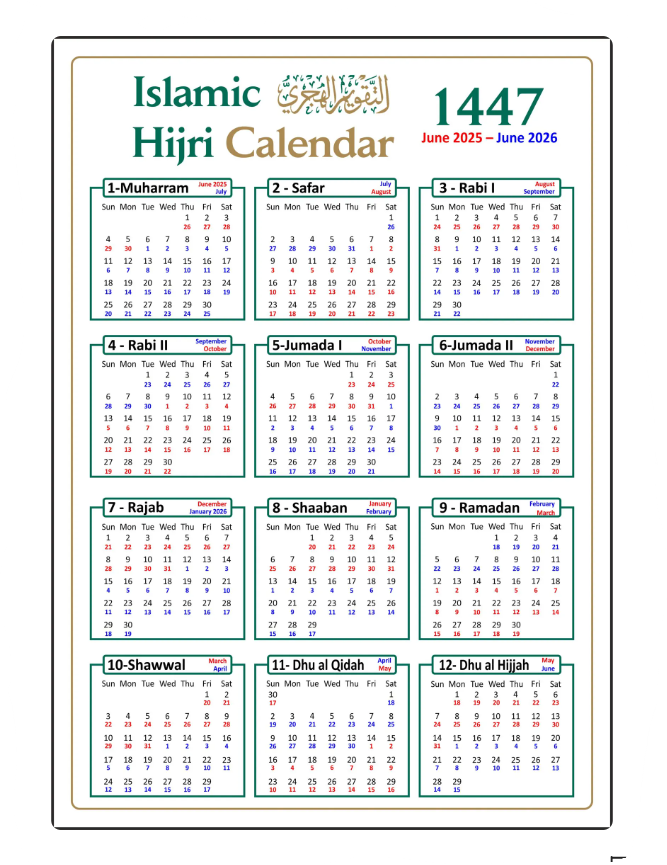
Ramadan is the ninth month of the Islamic calendar, observed by Muslims worldwide as a sacred month of fasting, prayer, reflection, and community, commemorating the revelation of the Quran to Prophet Muhammad. During this time, healthy adults fast from dawn to dusk, practice self-control, give to charity, and engage in increased worship to draw closer to God. The observance culminates in the festival of Eid al-Fitr.
Key Aspects of Ramadan
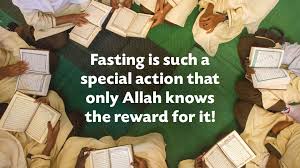
- Fasting (Sawm):One of the Five Pillars of Islam, this involves abstaining from food, drink, and other physical needs from dawn until sunset.
- Quran Revelation:Muslims believe the Quran was first revealed to Prophet Muhammad during this month, making it a period of intense study and reading of the holy text.
- Prayer and Reflection:Devout Muslims focus on intensifying their prayer, both communal and individual, and reflecting on their lives and relationship with God.
- Community and Charity:Ramadan fosters a sense of community, with families and friends gathering for shared meals after sunset (Iftar). There is also a greater emphasis on good deeds and charity.
- Spiritual Development:The month is a time for spiritual purification, self-discipline, and increased God-consciousness.
- Eid al-Fitr:The end of Ramadan is celebrated with Eid al-Fitr, a three-day festival of feasting, prayer, and gift-giving.
Who Fasting Applies To
- The fasting obligation applies to most healthy adult Muslims, though those who are sick, elderly, pregnant, or nursing are exempt.
About The Author