Zakat is a mandatory charitable donation by qualifying Muslims as the third pillar of Islam, involving giving 2.5% of one’s savings and wealth annually to the needy after reaching a minimum threshold (nisab). It serves to purify wealth, show gratitude to Allah, help the less fortunate, promote social welfare, and prevent greed and selfishness, supporting a balanced society. Zakat is paid on wealth accumulated over a full lunar year and is distributed to eight categories of eligible recipients, such as the poor and those in debt.
Key Aspects of Zakat
A Pillar of Faith:
Zakat is one of the Five Pillars of Islam, making it a religious obligation for all eligible Muslims.
Meaning of the Word:
The word “zakat” means to purify, cleanse, or grow, symbolizing the act of purifying one’s wealth and spirit.
Obligatory for the Wealthy:
It is a compulsory annual act for every adult Muslim who possesses wealth above a certain minimum amount called the nisab.
Annual Payment:
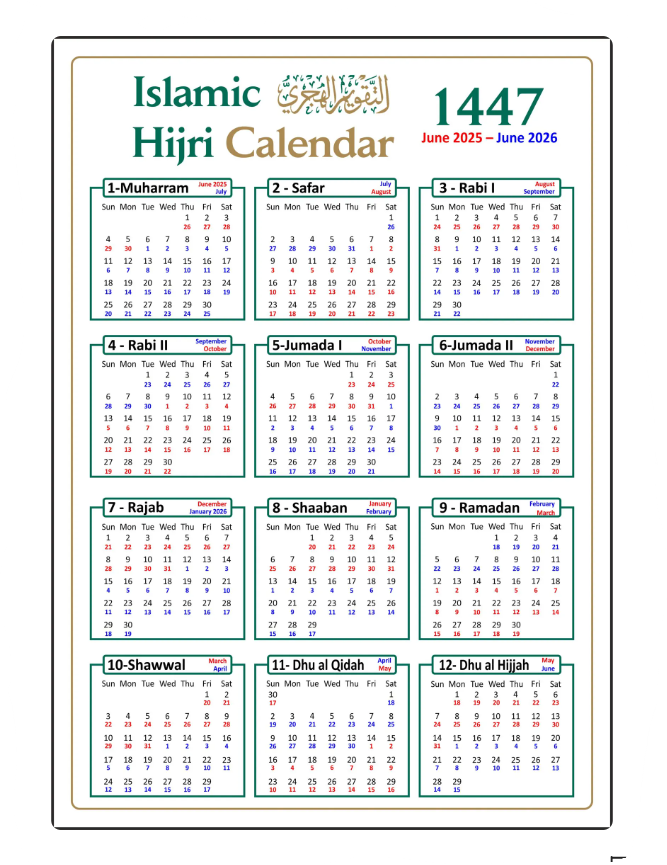
Zakat is due once a full lunar year has passed since the wealth reached or exceeded the nisab.
How it Works
Calculation:
The standard amount is 2.5% of a Muslim’s qualifying assets, such as cash, gold, silver, business inventory, and other assets.
Eligibility to Pay:
To be obligated to pay zakat, one must be a sane, adult Muslim with wealth that surpasses the nisab.
Distribution:
Funds are distributed to eight specific categories of recipients, including the poor, the needy, travellers, and those in debt.
Prohibited Uses:
Zakat cannot be used for infrastructure projects or administrative costs, as it is intended for direct aid to those in need.
Purpose and Benefits
Spiritual Purification:
It purifies wealth and the soul, cleansing them from greed, selfishness, and materialistic desires.
Gratitude to Allah:
Giving zakat is an expression of gratitude to Allah for His blessings and a recognition that all wealth is a loan from Him.
Social Welfare:
Zakat forms a vital part of the Islamic social welfare system, supporting the community by alleviating poverty and helping the less fortunate.
Balanced Society:
It promotes a more equitable distribution of wealth, helping to create a balanced and supportive society.